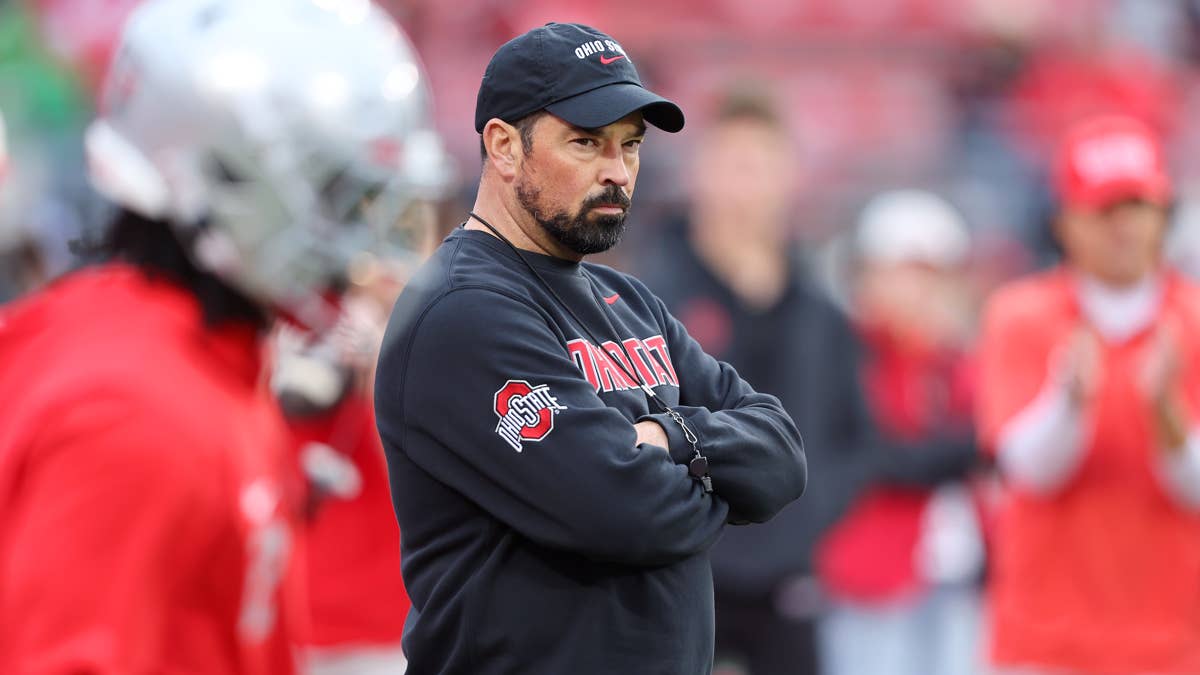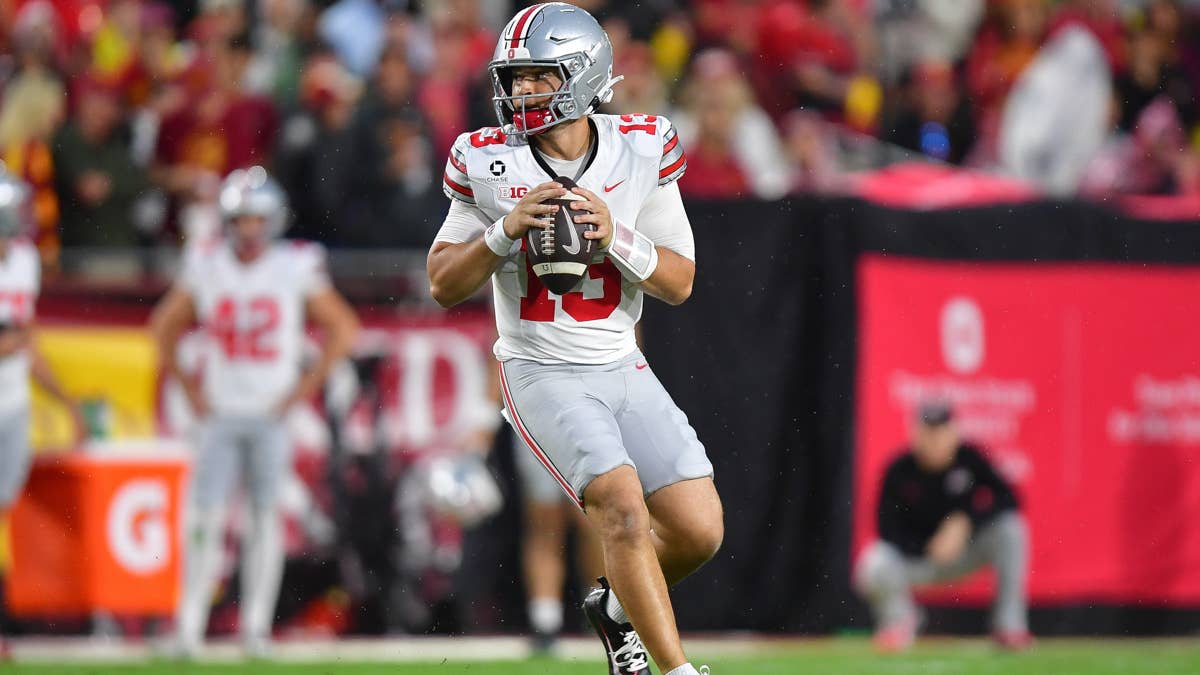
Ohio State's 30-18 loss to USC on Saturday flipped the Big Ten race and put a spotlight on the Buckeyes' playoff viability. The Trojans, a team that had looked ordinary in recent weeks, controlled the game from the start. Fill-in quarterback Luke Fahey threw for 260 yards with a touchdown and no interceptions, but the offense stalled in key moments despite holding the ball for nearly 40 minutes. The defense, which had been a strength in past seasons, allowed 204 rushing yards and couldn't get off the field when needed.
The Buckeyes still control their path to the Big Ten title game. Their remaining schedule includes Oregon, Northwestern, Nebraska, and Michigan, and they are expected to win all four. But the loss to USC, combined with a narrow win over Indiana, suggests this team is not the dominant force of recent years. The offense lacks the explosive edge it had under previous quarterbacks, and the defense has not been the shutdown unit fans are used to.
Next week's game at Oregon is now the defining moment. A decisive win would restore confidence and silence doubters. A close call or another loss would leave Ohio State on the edge of the playoff picture, even with a 10-2 record. The Buckeyes have the talent to beat anyone, but they need to show it on the field.
SEC's Playoff Math Gets Complicated
The expanded playoff has never included a three-loss team before conference championship games, and the selection committee has historically favored teams with better records. This season, the SEC could face a problem: only Georgia and Kentucky have fewer than two losses, and both have tough roads ahead. Georgia plays at Ole Miss, Missouri, and South Carolina. Kentucky faces Tennessee, Florida, Missouri, and Louisville.
Several 6-2 teams, including Alabama, LSU, Missouri, Ole Miss, Tennessee, and Texas, all have games that could produce a third loss. If the SEC ends up with only one or two teams at 9-3 or better, the conference might get fewer playoff bids than it did last year, when six teams made the field. The committee values overall record, so a 10-2 Big Ten or Big 12 team could edge out a 9-3 SEC squad.
Lincoln Riley Gets a Reprieve
Lincoln Riley's job status was in serious doubt after USC's 24-7 loss to Wisconsin, but beating Ohio State by 12 points changes the conversation. The Trojans still have games at Indiana and at UCLA, and a loss in either could reignite the hot seat talk. If USC wins both, it likely makes the playoff and Riley gets an extension. If it loses both, the speculation returns.
Oklahoma, Riley's former school, is also struggling, but its buyout for Brent Venables is over $50 million, so a reunion seems unlikely.
Wake Forest and SMU Could Decide the ACC's Playoff Fate
Wake Forest improved to 7-1 with a 51-7 rout of Virginia, while SMU lost 30-27 at Syracuse. The result puts the ACC in a tricky spot. If Wake Forest wins at SMU on November 14, the Demon Deacons would likely reach the ACC title game at 11-1, setting up a rematch with Miami. In that scenario, the ACC could get two playoff bids. If SMU wins, the conference might be left with just one spot, unless SMU upsets Notre Dame later in the season.
Boise State's Group of Five Lock Is Not Secure
Boise State is ranked in the top 25 and is the presumed favorite for the Group of Five playoff spot, but its 46-45 win over Texas State was far from convincing. The Broncos blew a 28-3 halftime lead and needed a last-second field goal to survive. Quarterback Maddux Madsen suffered a knee injury in the game, and the defense struggled in the second half.
Boise State's schedule includes a dangerous home game against Oregon State on November 14, and any slip could open the door for New Mexico or another contender. The Broncos are still the most likely team to take that spot, but they are not a lock.